How can we help you?

Equipment Finance Glossary: Terms Explained

Equipment finance comes with its own language and if you’re not in the industry every day, terms like “balloon payment” or “chattel mortgage” can be confusing. Whether you’re financing a delivery van, a commercial oven, or a fleet of IT hardware, understanding the terminology helps you compare offers with confidence and avoid surprises down the track.

This glossary breaks down the most common equipment finance terms used by Australian lenders and brokers:

A

Amortisation The process of gradually paying off a loan through regular instalments that cover both principal and interest, until the debt is fully repaid by the end of the loan term.

Asset Finance An umbrella term for any finance arrangement used to acquire business assets — vehicles, machinery, equipment, or technology — rather than paying for them outright in cash. Chattel mortgages, finance leases, and hire purchase agreements all fall under this category.

Approved Supplier A vendor or dealer that a finance provider has pre-vetted, often allowing for faster approval and settlement when you purchase equipment through them.

B

Balloon Payment A larger-than-usual final payment due at the end of a finance term. Structuring a loan with a balloon payment lowers your regular repayments, but leaves a lump sum owing (or requiring refinance) at the end.

Business Activity Statement (BAS) While not strictly a finance term, lenders often request recent BAS lodgements as part of assessing a business’s income and GST position when applying for equipment finance.

C

Chattel Mortgage A common finance structure where the business borrows money to buy equipment outright and owns it from day one. The lender takes a “mortgage” over the asset (the chattel) as security until the loan is repaid.

Commercial Finance Finance products designed specifically for businesses rather than individual consumers, covering everything from equipment and vehicles to working capital and property.

Comprehensive Insurance Insurance covering an asset against damage, theft, and third-party liability. Most equipment finance agreements require the financed asset to be comprehensively insured for the life of the loan.

D

Deposit An upfront payment made toward the purchase price of an asset, reducing the amount that needs to be financed. Not all equipment finance products require a deposit.

Depreciation The gradual reduction in an asset’s value over time due to wear, age, or obsolescence. Depreciation is relevant to both the residual value of financed equipment and potential tax deductions.

E

Equipment Finance Finance specifically used to acquire business equipment — anything from vehicles and machinery to computers and commercial appliances — allowing businesses to access assets without paying the full cost upfront.

Equity The portion of an asset’s value that a business actually owns, calculated as the asset’s current value minus any outstanding finance owed against it.

F

Finance Lease An agreement where the lender purchases the equipment and leases it to the business for an agreed term and rental. At the end of the lease, the business typically has the option to make a final payment to own the asset, extend the lease, or return it.

Fixed Interest Rate An interest rate that stays the same for the life of the loan, meaning repayments remain predictable regardless of market rate movements.

G

Guarantor An individual (often a business owner or director) who agrees to be personally responsible for a business’s finance repayments if the business itself is unable to pay.

GST on Equipment Finance Depending on the finance structure chosen, GST may be payable upfront on the full purchase price or spread across repayments — a key consideration when comparing chattel mortgages to leases.

H

Hire Purchase An agreement where the lender buys the equipment and hires it to the business over a set term. Ownership transfers to the business once all repayments (including any final payment) are made.

I

Interest Rate The cost of borrowing, expressed as a percentage of the loan amount, charged by the lender over the life of the agreement.

Instant Asset Write-Off An Australian Taxation Office (ATO) provision allowing eligible businesses to immediately deduct the cost of eligible assets, rather than depreciating them over several years. Eligibility and thresholds change regularly, so it’s worth checking current ATO guidance before financing.

L

Lease Term The agreed length of a finance lease or hire purchase agreement, commonly ranging from one to seven years depending on the asset type.

Lender The bank, non-bank financier, or specialist finance provider supplying the funds for an equipment purchase.

Low-Doc Finance A finance option requiring less documentation than a standard application — often used by businesses that may not have extensive financial statements, subject to other risk assessments by the lender.

M

Mortgage over Chattel See Chattel Mortgage. The formal legal term for the security interest a lender holds over financed equipment.

O

Operating Lease A lease arrangement where the business rents equipment for a period shorter than its useful life, with no obligation (and often no option) to purchase the asset at the end of term. Common for equipment that dates quickly, such as IT hardware.

Origination Fee A fee charged by a lender for establishing a finance agreement, sometimes called an establishment fee.

P

Personal Property Securities Register (PPSR) A national online register where lenders record their security interest over financed assets. Checking the PPSR before buying used equipment helps confirm it isn’t still owed as security on someone else’s loan.

Principal The original amount borrowed, excluding interest and fees.

R

Residual Value The estimated value of an asset at the end of a lease term, used to calculate a balloon or final payment. Also called the “residual” or “balloon.”

Refinance Replacing an existing finance agreement with a new one, often to access better terms, consolidate debt, or manage a balloon payment.

Repayment Frequency How often loan repayments are made — typically weekly or monthly — which can be tailored to match a business’s cash flow cycle.

S

Secured Loan A loan where the lender holds a security interest over an asset (usually the equipment being financed), which they can repossess if repayments aren’t met. Most equipment finance is secured this way.

Settlement The point at which finance funds are released and the equipment purchase is finalised.

Soft Asset Assets with less resale value or a shorter useful life, such as software, fit-outs, or signage. Some lenders finance soft assets differently to hard assets like vehicles or machinery.

T

Term The total length of a finance agreement, from settlement to final repayment.

Trade-In Using an existing asset’s value as part or full payment (or as a deposit) toward new equipment finance.

V

Variable Interest Rate An interest rate that can rise or fall over the life of the loan in line with market movements, meaning repayments may change over time.

Forklift Finance: Helping Businesses Lift More Than Just Pallets

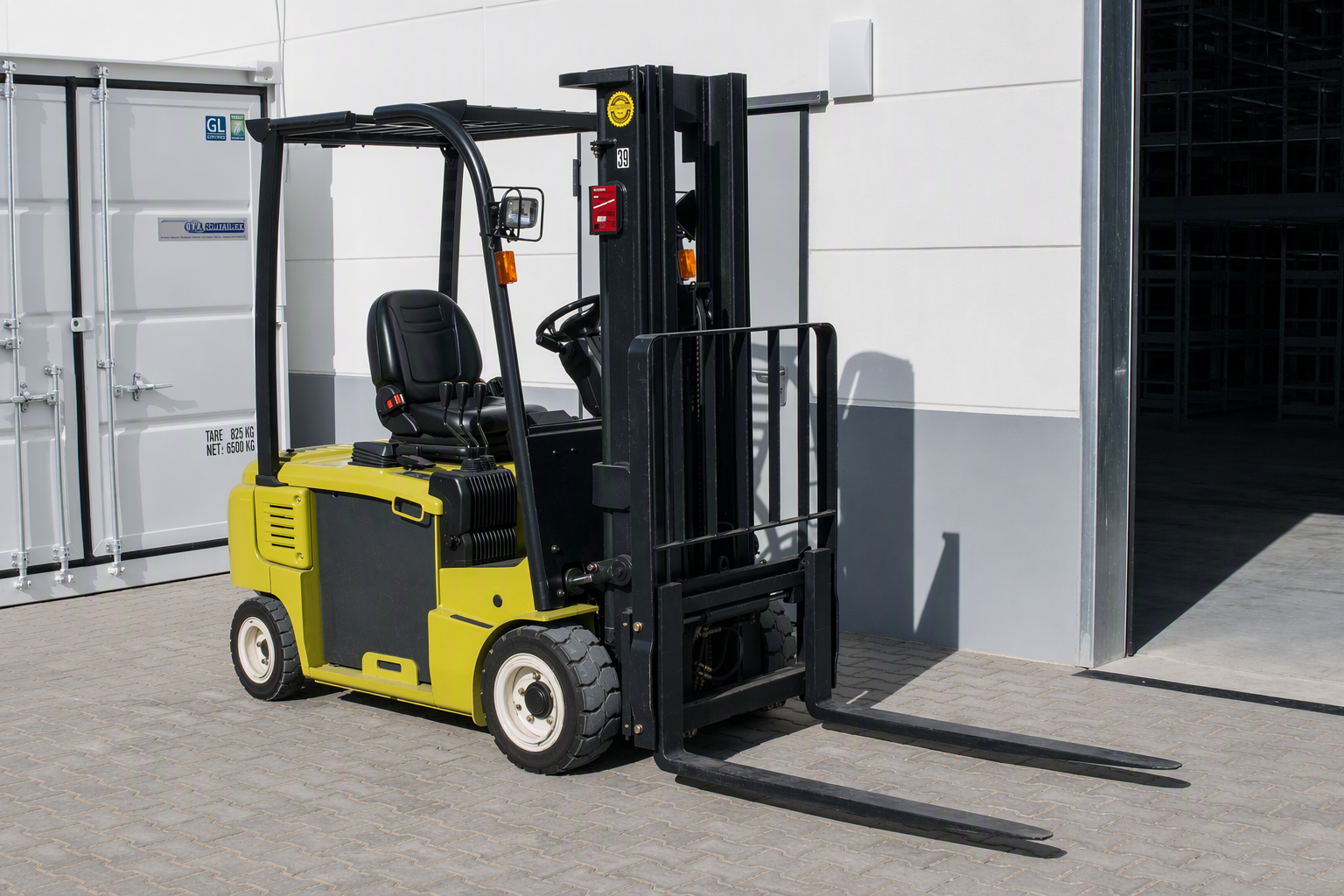
Whether you’re operating a warehouse, construction site, distribution centre, or manufacturing facility, forklifts are an essential piece of equipment that keeps businesses moving. However, purchasing a forklift outright can place significant pressure on cash flow, especially for growing businesses.

At Finance at Work, we help businesses access the equipment they need through flexible finance solutions designed to support growth without compromising working capital.

Why Forklifts Are Critical to Business Operations

Forklifts play a vital role in industries that rely on efficient material handling. From loading and unloading deliveries to transporting stock within warehouses, forklifts improve productivity, safety, and operational efficiency. Choosing the right equipment can make a significant difference to your business’s productivity and bottom line.

The Challenge of Purchasing Equipment

A new forklift can represent a substantial investment. While some businesses have the capital available for an outright purchase, many prefer to preserve cash flow for day-to-day operations, inventory, staffing, and growth initiatives.

This is where equipment finance can provide a practical solution.

Rather than making a large upfront payment, businesses can spread the cost of their forklift over manageable repayments, allowing them to maintain liquidity while immediately benefiting from the equipment.

Benefits of Forklift Finance

Improved Cash Flow

Financing allows businesses to acquire equipment without tying up valuable working capital. This helps maintain financial flexibility for other business priorities.

Access to Better Equipment

Instead of settling for older or second-hand equipment, finance can make it possible to access newer forklifts with improved efficiency, safety features, and reliability.

Predictable Payments

Fixed repayment structures make budgeting easier and help businesses manage expenses with confidence.

Potential Tax Benefits

Depending on your circumstances, financing equipment may offer tax advantages. Businesses should always seek professional tax advice regarding their specific situation.

Financing New and Used Forklifts

At Finance at Work, we understand that every business has different needs and budgets. Whether you’re purchasing a brand-new forklift or a quality used model, we work to find financing solutions that align with your operational requirements.

Our team assists businesses across a range of industries, including:

  • Warehousing and logistics
  • Transport and freight
  • Construction
  • Manufacturing
  • Wholesale distribution
  • Retail operations

Supporting Business Growth

The right equipment can increase productivity, reduce downtime, and support business expansion. Forklift finance enables businesses to seize opportunities when they arise without waiting until sufficient capital has been accumulated

Speak to our Equipment Finance Specialists

If your business is considering purchasing a forklift, Finance at Work can help you explore finance options tailored to your needs. Whether you’re upgrading existing equipment or expanding your fleet, our goal is to make the process simple, efficient, and affordable.

Contact Finance at Work today to discuss forklift finance solutions that work for your business and help keep your operations moving forward.

Bring Your Gym Vision to Life: A Guide to Financing Equipment and Fitness Facility Upgrades

Running a successful gym, fitness studio, or wellness centre requires more than just great programming and motivated members. To stay competitive, facilities need to continually invest in quality equipment, modern training spaces, and an environment that delivers an exceptional member experience.

Whether you’re replacing ageing machines, refreshing your club’s appearance, or expanding into a larger facility, these improvements can require significant upfront costs. This is where equipment and fit-out finance can play an important role in supporting business growth.

Why Investing in Your Facility Matters

Member expectations continue to evolve. Today’s fitness consumers are looking for more than just a place to exercise. They want modern equipment, functional training areas, comfortable amenities, and a welcoming environment.

For gym owners, investing in facility improvements can help:

  • Improve member retention and satisfaction
  • Increase operational efficiency
  • Expand service offerings
  • Attract new members
  • Maintain a competitive edge in the local market

However, funding these upgrades outright can place pressure on cash reserves that may be needed for staffing, marketing, or day-to-day operations.

What Can Be Financed?

Many business owners are surprised to learn that finance can extend beyond traditional gym equipment.

Depending on the project, finance may be available for:

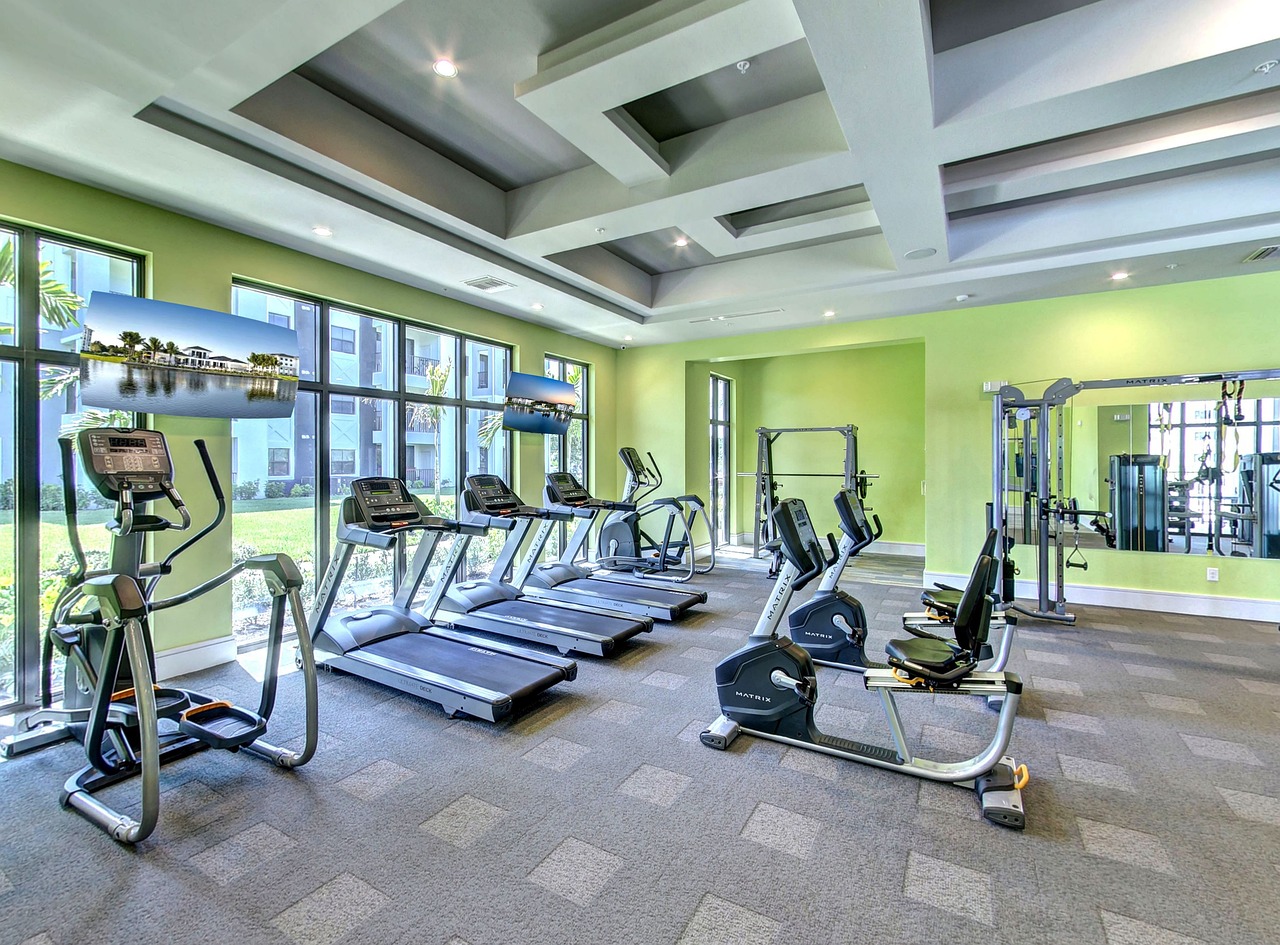
  • Strength and conditioning equipment
  • Cardio machines
  • Pilates reformers and studio equipment
  • Functional training zones
  • Flooring and rubber surfaces
  • Mirrors and lighting
  • Audio-visual systems
  • Security and access technology
  • Furniture and reception areas
  • Vending equipment
  • Complete gym fit-outs and refurbishments

This can allow businesses to undertake larger projects without needing to fund every component upfront.

Understanding Fit-Out Finance

Fit-out finance is designed to help businesses fund the costs associated with creating, renovating, or upgrading a commercial space.

For gym operators, this may include everything from design and construction through to equipment installation and finishing touches. Rather than drawing heavily on working capital, businesses can spread project costs over an agreed term, helping maintain cash flow during and after the upgrade.

This can be particularly useful for:

  • New gym launches
  • Studio expansions
  • Club refurbishments
  • Franchise fit-outs
  • Relocations to larger premises

Choosing the Right Finance Structure

Every fitness business has different goals, budgets, and growth plans. The most suitable finance solution will depend on factors such as:

  • The type of equipment being funded
  • The value of the project
  • Business cash flow
  • Length of time the assets are expected to be used
  • Expansion plans

Working with an experienced finance specialist can help gym owners explore available options and identify a structure that aligns with their business objectives.

Bring Your Gym Vision to Life

Investing in equipment and facility improvements is often essential for long-term success in the fitness industry. Whether you’re launching a new studio, refurbishing an existing club, or upgrading equipment to improve the member experience, finance solutions can provide a practical way to support growth while preserving cash flow.

With the right funding strategy in place, fitness business owners can focus on building stronger facilities, attracting more members, and creating spaces that keep people coming back.

Contact Finance at Work today to discuss fit out finance solutions that work for your business and help keep your operations moving forward.

Understanding your Credit Score

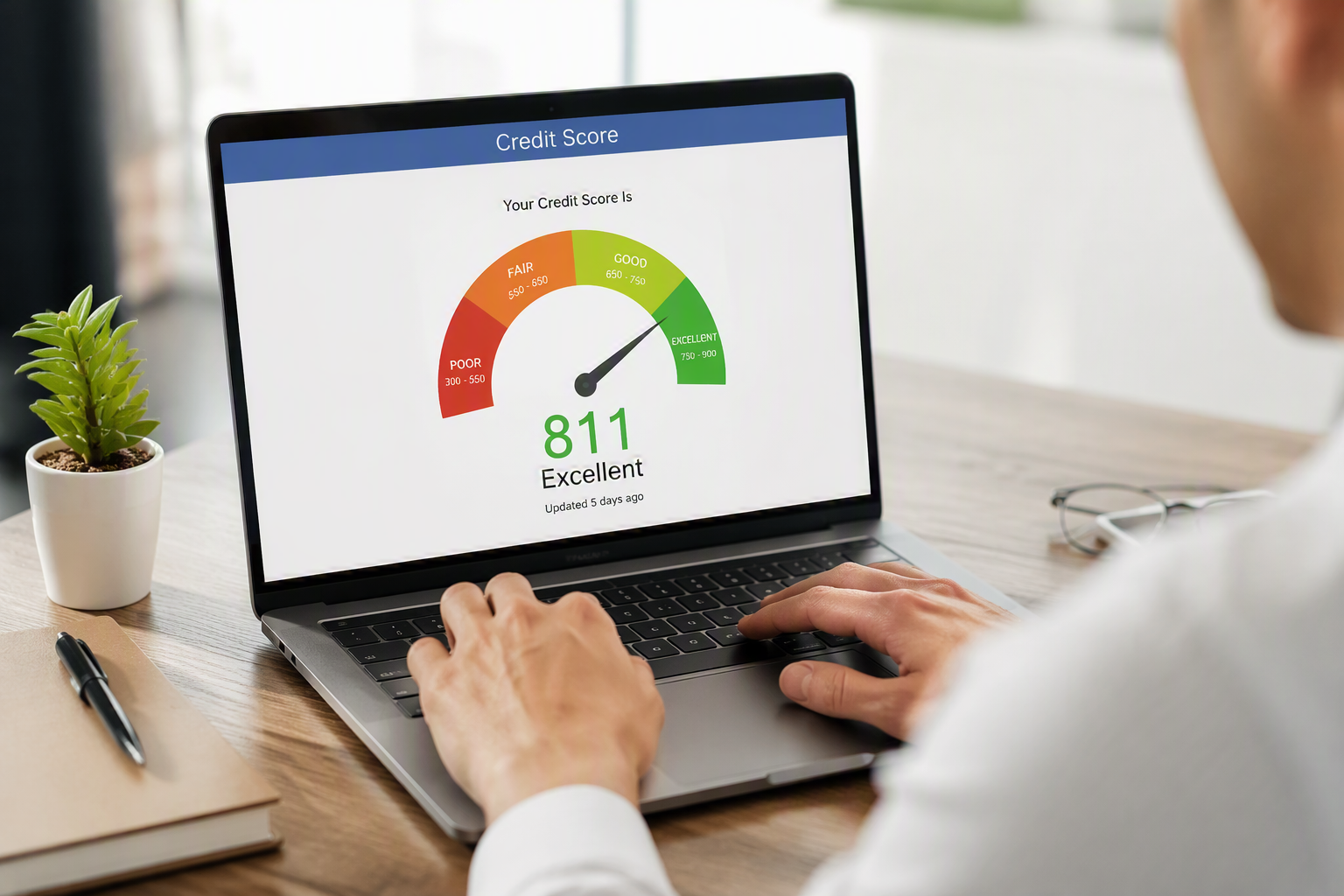
Your Equifax Credit score summarises your credit history. It is presented in the form of a number between 0-1200. Equifax credit scores measure risk, therefore a higher score means a better credit profile.

How is your Credit Score calculated?

Your credit score is calculated from the information on your credit report, this includes:

  • Your personal details
  • Credit you have previously applied for, including the type and size requested
  • Your repayment history including any overdue debts etc
  • The age of your credit report

What effects your Credit Score?

  • Late or missed payments
  • Multiple applications in a short period of time
  • High Credit Balances
  • Defaults
  • No or new credit history

Why are Credit Scores Important?

Credit providers use credit scores to determine your credit risk. This is how they decide whether or not to lend money to you, how much they lend and at which interest rate they lend the money. Lenders have their own criteria to assess your credit risk and can use other information together with your credit score to make this decision.

How can you improve your Credit Score?

  • Ensure all your details are up to date by notifying lenders
  • Pay all of your loans and bills on time
  • Keep track of all your credit commitments and your credit score
  • Avoid short term loans and buy now, pay later
  • Close credit card accounts you don’t use
  • Notify your lender if you are having trouble making payments

What is a Good Equifax Credit Score?

  • Excellent: 841-1,200
  • Very Good: 756-840
  • Good: 666-755
  • Average: 506-665
  • Below Average: 0-505

Need your Credit score checked?

Click here to have yours checked today!

Could Your Home Qualify for a Green Home Loan?

Many Australian homeowners are investing in energy-efficient features such as solar panels, battery storage, double glazing and improved insulation. What many don’t realise is that these upgrades may do more than reduce energy bills. They could also help you access a discounted green home loan rate.

As sustainability becomes increasingly important, a growing number of lenders are offering specialised “green” home loan products designed to reward homeowners who invest in energy-efficient properties.

What Is a Green Home Loan?

A green home loan is a mortgage product that offers competitive interest rates and other benefits for properties that meet certain environmental or energy-efficiency standards.

Depending on the lender, eligible features may include:

  • Solar panel systems
  • Home battery storage
  • High energy-efficiency ratings
  • Sustainable building materials
  • Double-glazed windows
  • Energy-efficient heating and cooling systems
  • Water-saving features

The exact criteria vary between lenders, which is why it’s important to understand what options may be available.

Why Are Green Home Loans Becoming More Popular?

There are several reasons why homeowners are exploring green lending options:

Potentially Lower Interest Rates

Some lenders offer discounted rates for eligible green properties, helping borrowers reduce their repayments over the life of their loan.

Lower Household Energy Costs

Energy-efficient homes often consume less electricity and gas, which can lead to ongoing savings on utility bills.

Increased Property Appeal

As buyers become more environmentally conscious, homes with sustainable features may be more attractive in the market.

Supporting a More Sustainable Future

Investing in energy-efficient upgrades can reduce your household’s environmental footprint while improving overall comfort and livability.

Could You Already Qualify?

One of the biggest misconceptions about green home loans is that borrowers need to build a brand-new environmentally friendly home.

In reality, many existing homeowners may already have qualifying features installed, such as:

  • Solar panels
  • Battery storage
  • Energy-efficient appliances
  • Recent sustainability upgrades
  • Strong energy performance ratings

If you’ve made improvements to your home over the years, it may be worth reviewing whether your current loan is still the most competitive option available.

Why Review Your Home Loan?

Many borrowers stay with the same lender for years without checking whether they remain on a competitive rate.

A home loan review can help you:

  • Understand your current interest rate position
  • Compare alternative lending options
  • Explore potential repayment savings
  • Determine whether green lending products are available to you
  • Ensure your loan continues to support your financial goals

Even a small rate reduction can make a significant difference over the life of a mortgage.

How Finance@Work Can Help

At Finance@Work, we compare home loan options from a panel of more than 60 lenders, including major banks and specialist lenders.

Our Home Loan Health Check is designed to help you:

  • Understand whether you may qualify for green loan products
  • Compare current lending options
  • Identify potential savings opportunities
  • Review your existing loan structure
  • Explore future borrowing and sustainability goals

Thinking About a Home Loan Review?

If you’ve installed solar panels, upgraded your home’s energy efficiency, or simply haven’t reviewed your mortgage in a while, now could be a great time to explore your options.

Contact Finance@Work for a complimentary Home Loan Health Check and discover whether a greener, more competitive home loan could be available to you.

Butcher Equipment Finance: Helping Your Business Stay Sharp

For butcher shops, meat processors, and food production businesses, having reliable equipment is essential to maintaining efficiency, product quality, and customer satisfaction. From commercial meat slicers and mincers to refrigeration units, display cabinets, and packaging equipment, these assets are critical to daily operations. However, purchasing equipment outright can place significant pressure on cash flow. That’s where butcher equipment finance can help.


What Is Butcher Equipment Finance?

Butcher equipment finance allows businesses to acquire the equipment they need without the burden of a large upfront investment. Instead, the cost of the equipment is spread over manageable repayments, helping preserve working capital while providing immediate access to essential tools and machinery.

Whether you’re starting a new butcher shop, upgrading existing equipment, or expanding your operations, finance can provide the flexibility needed to support your business goals.


What Equipment Can Be Financed?

A wide range of butcher and meat processing equipment can be financed, including:

  • Commercial meat slicers
  • Bone saws
  • Meat mincers and grinders
  • Vacuum packing machines
  • Refrigeration units
  • Cool rooms and freezers
  • Display cabinets
  • Sausage filling equipment
  • Food processing machinery
  • Commercial kitchen equipment


Benefits of Butcher Equipment Finance

Preserve Cash Flow

Rather than making a large capital purchase, finance allows businesses to spread costs over time, helping maintain healthy cash flow for inventory, wages, and operating expenses.

Upgrade Equipment Sooner

Modern equipment can improve productivity, food safety, and energy efficiency. Financing enables businesses to access the latest technology without waiting to accumulate sufficient funds.

Support Business Growth

Whether you’re opening a new location, increasing production capacity, or expanding your product range, finance can help you secure the equipment needed to grow.

Flexible Finance Solutions

Equipment finance can be tailored to suit the unique needs of your business, making it easier to manage repayments while achieving your operational objectives.


Why Choose Finance at Work?

At Finance at Work, we understand the challenges faced by businesses in the food and retail sectors. Our experienced team works with a wide network of lenders to help secure competitive butcher equipment finance solutions tailored to your business requirements.

Whether you’re replacing ageing equipment or investing in new machinery, we can help you find a finance solution that supports your growth while protecting your cash flow.


Ready to Upgrade Your Butcher Equipment?

Investing in quality equipment can help improve efficiency, maintain high product standards, and support long-term business success.

Ready to invest in the equipment that keeps your butcher shop running at its best? Whether you’re upgrading existing equipment, expanding operations, or fitting out a new premises, our team can help you find the right finance solution. Call and speak to a specialist today about a tailored butcher equipment finance solution.