How can we help you?

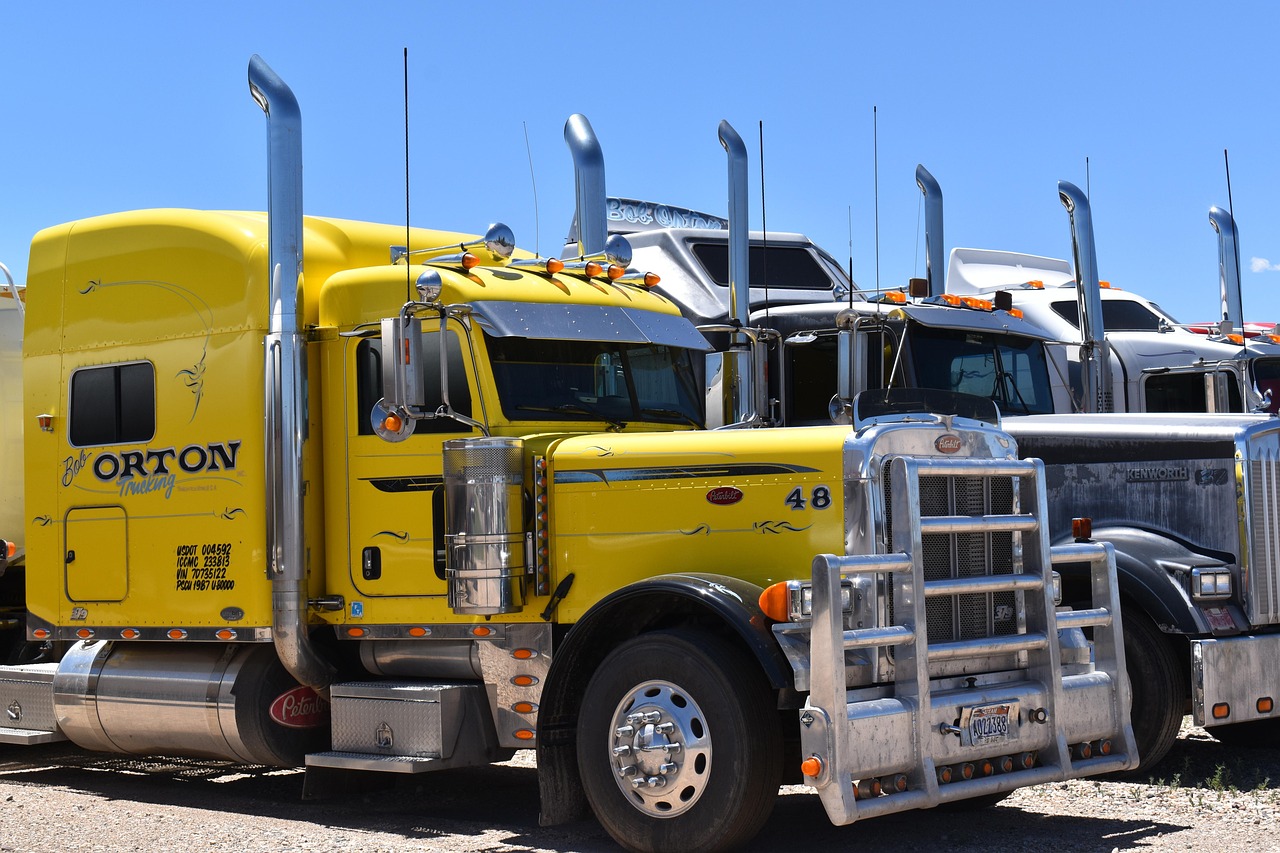
Financing Truck: A Guide to Truck Finance for your Business

For many businesses, trucks are more than just vehicles, they’re essential assets that keep operations running smoothly. Whether you’re an owner-driver, transport operator, logistics company, construction business, or tradesperson, having access to reliable trucks is crucial for maintaining productivity and meeting customer demands. However, purchasing a truck outright can require a significant capital investment. That’s where truck finance can help.


What Is Truck Finance?

Truck finance is a specialised funding solution that allows businesses to purchase new or used trucks without paying the full cost upfront. Instead, the purchase is funded through a finance agreement with repayments made over an agreed term.

By spreading the cost over time, businesses can acquire the vehicles they need while preserving cash flow and maintaining working capital for day-to-day operations.


Types of Trucks That Can Be Financed

Truck finance can be used for a wide range of commercial vehicles, including:

  • Prime movers
  • Tippers
  • Rigid trucks
  • Refrigerated trucks
  • Curtain-side trucks
  • Flatbed trucks
  • Delivery trucks
  • Tanker trucks
  • Crane trucks
  • Waste management vehicles
  • Light and heavy commercial trucks

Both new and used trucks may be eligible for finance, depending on the lender’s requirements.


Benefits of Truck Finance

Preserve Cash Flow

Rather than tying up a large amount of capital in a vehicle purchase, truck finance allows businesses to spread costs through manageable repayments. This helps preserve cash flow for wages, inventory, fuel, maintenance, and other operational expenses.

Expand Your Fleet Sooner

Waiting to save enough capital for a truck purchase can limit growth opportunities. Finance allows businesses to access vehicles immediately, enabling them to take on more work and increase revenue potential.

Flexible Finance Solutions

Truck finance can be tailored to suit your business needs, with various repayment structures and finance terms available depending on your operational requirements and budget.

Improve Operational Efficiency

Newer trucks often deliver improved fuel efficiency, safety features, reliability, and lower maintenance costs. Financing allows businesses to upgrade their fleet without a significant upfront investment.

Support Business Growth

Access to reliable transport equipment enables businesses to service more customers, expand into new markets, and improve overall productivity.

Who Can Benefit from Truck Finance?

Truck finance is suitable for a wide range of industries, including:

Transport and Logistics

Transport operators rely on modern, dependable vehicles to keep goods moving efficiently across Australia.

Construction

Construction businesses often require trucks for transporting materials, equipment, and machinery between worksites.

Agriculture

Farmers and agricultural contractors use trucks to transport livestock, produce, feed, and equipment.

Trades and Services

Many tradespeople rely on commercial vehicles to transport tools, supplies, and equipment to clients and job sites.


How to Choose the Right Truck Finance Solution

When considering truck finance, it’s important to assess:

  • Your business cash flow
  • The type and age of the truck
  • Expected usage
  • Future business growth plans
  • Repayment affordability
  • Equipment replacement cycles

Working with an experienced finance broker can help you compare options and identify a solution that aligns with your business objectives.


Why Choose Finance at Work?

At Finance at Work, we help Australian businesses secure competitive truck finance solutions tailored to their unique needs. Whether you’re purchasing your first work truck, upgrading existing vehicles, or expanding a commercial fleet, our team works with a broad network of lenders to find the right funding solution.

We understand that every business is different, which is why we focus on delivering personalised finance options designed to support your growth while maintaining financial flexibility.


Get Moving with Truck Finance Today

The right truck can help improve efficiency, increase capacity, and create new business opportunities. With flexible truck finance solutions available, there’s no need to delay your next vehicle purchase.

Ready to invest in the trucks that keep your business moving? Whether you’re upgrading your fleet, purchasing your first commercial vehicle, or expanding your operations, our team can help you find the right finance solution. Speak with us today to get started.


Equipment Finance: The Smart Way to Grow Your Business Without Draining Cash Flow

Running a successful business often requires investing in new equipment, machinery, vehicles, or technology. Whether you’re in construction, transport, manufacturing, healthcare, agriculture, or professional services, having the right equipment can make all the difference in productivity and profitability.

However, purchasing equipment outright can place significant pressure on your cash flow. That’s where equipment finance can help.

What Is Equipment Finance?

Equipment finance is a funding solution that enables businesses to purchase essential equipment without paying the full cost upfront. Instead, the business repays the cost over an agreed term through manageable monthly payments.

This type of finance can be used for a wide range of assets, including:

  • Construction equipment
  • Trucks and commercial vehicles
  • Manufacturing machinery
  • Medical equipment
  • Agricultural machinery
  • Office technology and IT systems
  • Hospitality and fitness equipment

By spreading the cost over time, businesses can access the equipment they need while preserving working capital.

Why Businesses Choose Equipment Finance

1. Preserve Cash Flow

Cash flow is the lifeblood of every business. Instead of tying up large amounts of capital in equipment purchases, finance allows you to spread costs over time and keep cash available for day-to-day operations, payroll, inventory, and growth opportunities.

2. Access Better Equipment

With equipment finance, businesses can often afford higher-quality or more advanced equipment than they could through an outright purchase. Modern equipment can improve efficiency, reduce downtime, and increase profitability.

3. Flexible Finance Options

Equipment finance solutions can be tailored to suit your business needs. Loan terms, repayment structures, and deposit requirements can often be customised to align with your cash flow and operational goals.

4. Potential Tax Benefits

Depending on your circumstances and current tax regulations, equipment finance may offer potential tax advantages. We recommend speaking with your accountant or tax adviser to understand what benefits may apply to your business.

5. Faster Growth

The ability to acquire essential assets immediately means businesses can take on more work, expand operations, and pursue growth opportunities without waiting years to save for major purchases.

Who Can Benefit from Equipment Finance?

Equipment finance is suitable for businesses of all sizes, including:

  • Sole traders
  • Small and medium-sized businesses
  • Established companies
  • Growing enterprises requiring multiple assets

Whether you’re purchasing one piece of equipment or building an entire fleet, a tailored finance solution can help make your investment more manageable.

Why Choose Finance At Work?

At Finance At Work, we understand that every business is different. Our goal is to help you secure competitive equipment finance solutions that support your business objectives while maintaining healthy cash flow.

We work with a broad network of lenders to help find funding options tailored to your needs, making the process simple, efficient, and stress-free.

Whether you’re looking to finance a single asset or multiple pieces of equipment, our experienced team is here to guide you every step of the way.

Ready to Finance Your Next Equipment Purchase?

Investing in the right equipment can help your business operate more efficiently, increase revenue, and stay competitive in a rapidly changing market.

If you’re considering equipment finance, contact Finance At Work today to discuss your options and discover how we can help you secure the funding your business needs to grow.

Speak with our team today and take the next step towards business success.

Navigating EOFY: Smart Tax Strategies to Set Your Business Up for Success

As the June 30 End of Financial Year (EOFY) deadline approaches, it’s time to move past just crunching numbers and focus on strategic planning. Taking proactive steps now can maximise your tax returns, protect your cash flow, and set your business up for a successful year ahead.

Here are seven essential strategies to help you navigate EOFY with confidence.

7 Essential Tax Tips to follow before June 30

1. Consult with Your Accountant Early

Don’t wait until July. Meeting with your accountant before June 30 allows you to review your year-to-date position and implement last-minute, legitimate tax-saving strategies.

2. Utilise the Instant Asset Write-Off

If your business needs new equipment, purchasing and installing it before June 30 could offer immediate tax deductions, reducing your overall taxable income for the year.

3. Claim All Eligible Deductions

Review your expenses thoroughly. Ensure you are claiming everything your business is entitled to, including operational costs, office supplies, travel, and professional subscriptions.

4. Top Up Superannuation

Concessional super contributions are generally tax-deductible. Clearing outstanding staff super or topping up your own before the deadline can lower your tax bill—just ensure the fund receives the payment before June 30.

5. Write Off Bad Debts

If you have outstanding invoices that are genuinely uncollectible, officially writing them off in your system before June 30 allows you to claim them as a tax deduction.

6. Conduct an Accurate Stocktake

For businesses selling physical goods, a precise end-of-year stocktake is vital. Identifying and writing down damaged or obsolete stock directly reduces your taxable income.

7. Keep Accurate Records

Good tax planning relies on clear record-keeping. Ensure your receipts, invoices, and bank reconciliations are up to date to make tax time smooth and stress-free.

5 things every homeowner should review after a rate rise

Although you can’t control the market, you can control what you do after the RBA increase the cash rate. Here are 5 things to review:

1. Your Interest Rate Is your current rate still competitive? Many customers we work with don’t know what rate they could be eligible for.

2. Your Property Value Do you know what your property’s currently worth? An updated valuation report can improve your loan-to-value ratio which means you may qualify for lower interest rates.

3. Your Loan Structure Are you on the right type of loan (fixed, variable, or split)? A quick chat could reveal the difference between rate types depending on your circumstances.

4. Is Your Product Right for You? Are you making the most of your features such as the offset facility? Both can help you save on interest and pay your home loan down sooner.

5. Lender Incentives for New Customers Lenders may offer lower rates for new business customers upon eligibility and could include rebates, cashbacks or discounts for fees.

6. Future Goals and Objectives Does your loan still align with your current lifestyle and future plans? We know life can be challenging so leave it to us to keep it simple when it comes to your home loan.

Balloon Payment Explained: How It Affects Your Car or Business Loan

When comparing car or business loan options, you might come across the term “balloon payment.” It can seem appealing because it lowers your regular repayments — but it’s important to understand exactly how it works and what impact it has on your total loan cost.
In this guide, we’ll break down what a balloon payment is, how it works, and the pros and cons to help you decide if it’s the right fit for you.

What Is a Balloon Payment?
A balloon payment is a lump sum that’s due at the end of a loan term, after you’ve made smaller regular repayments. In simple terms, you pay less each month now — but owe a large amount later.

For example, if you finance a $40,000 car and set a $10,000 balloon payment, your monthly repayments are calculated on the remaining $30,000. When your loan term ends, you must pay that $10,000 in one go to close out the loan.

This type of loan structure is common with car finance, equipment loans, and business asset purchases.

How Does a Balloon Payment Work?
When you choose a balloon payment loan:
1. You agree on a loan amount and term (e.g., $40,000 over 5 years).
2. You decide on a balloon percentage (typically 20%–40% of the loan).
3. Your monthly repayments are based on the reduced amount (loan total minus balloon).
4. At the end of the term, you pay the remaining balloon amount — or refinance, trade-in, or sell the asset to cover it.

Pros of a Balloon Payment

✅ Lower Monthly Repayments
By deferring part of the loan to the end, your monthly repayments are smaller and more manageable.
✅ Better Cash Flow
This option can free up money for other expenses or investments — ideal for businesses managing variable cash flow.
✅ Flexible End-of-Term Options
At the end of the loan, you can pay the balloon, refinance it, or sell/trade the asset to cover it.

Cons of a Balloon Payment

⚠️ Large Final Payment
If you don’t plan ahead, the final lump sum can be a financial strain.
⚠️ Higher Overall Loan Cost
Because the principal remains higher for longer, you pay more interest over the life of the loan.
⚠️ Depreciation Risk
For vehicles, the car’s value at the end of the loan might be less than the balloon payment — leaving you owing more than it’s worth.

Does a Balloon Payment Reduce Your Loan Cost?

Not necessarily. While your monthly repayments are lower, the total interest paid is often higher because the balloon portion stays unpaid for the full term.
It’s important to compare both monthly affordability and total loan cost when considering this option.

When a Balloon Payment Might Work for You

A balloon payment may suit you if:
• You need lower repayments in the short term.
• You plan to upgrade or sell the asset before the end of the term.
• You have a clear plan for paying off the final amount.
However, if you prefer predictable, all-inclusive repayments — or you’re not sure you can cover a large lump sum later — a traditional loan may be safer.

The Bottom Line
A balloon payment can make loans more affordable month-to-month and help free up cash flow, but it also increases your financial commitment at the end of the term.
Before signing any agreement, calculate the total cost, understand your repayment capacity, and ensure you have a plan for the final payment.
Used wisely, a balloon payment can be a helpful tool — just make sure it aligns with your long-term financial goals.